

By Erich Karkoschka

Mercury is still visible at dawn until August 17. A poor evening visibility occurs October 1-20.

Venus is brilliant in the evening sky, but will be lower and lower at sunset. It reaches maximum magnitude of -4.8 in mid-September when it could be seen naked eye around 3 pm to the south 40 degrees high. Its last visibility at dusk is October 10. Starting October 28, it rapidly establishes a great morning visibility.
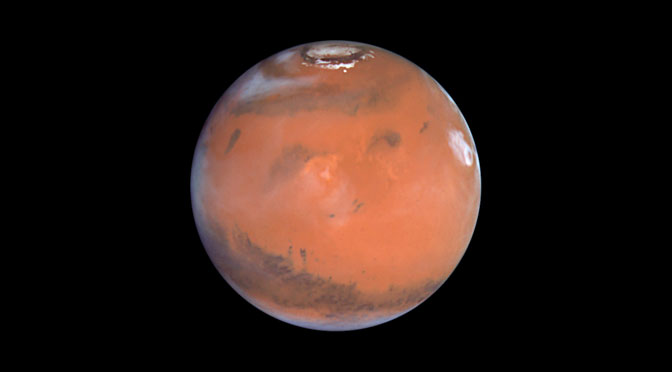
Mars is first magnitude, rising around 1 am and getting high by dawn. It moves from Taurus through Gemini to Cancer.
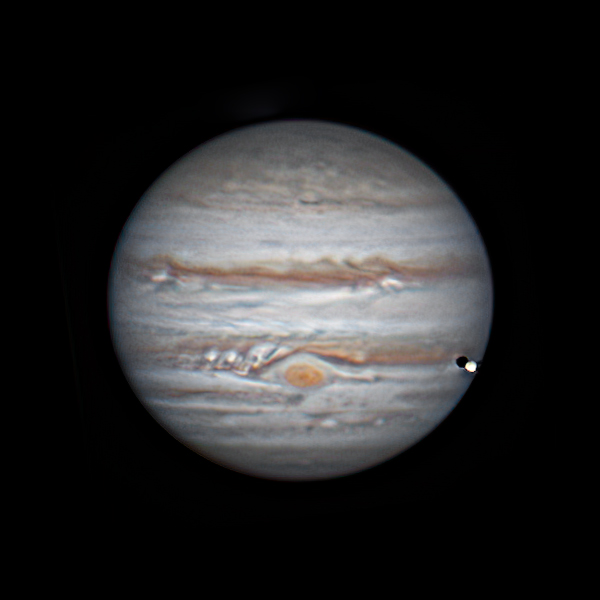
Jupiter is in the morning sky starting August 11. For the next 12 months, Earth is essentially in the plane of Jupiter’s equator, so that its satellites pass close to each other and often occult or eclipse each other.
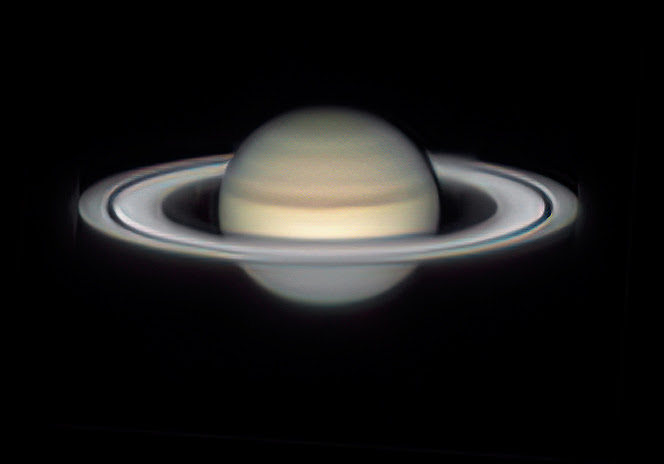
Saturn is visible all night as it comes into opposition on October 4. Its rings are wider open than during the last years, 9 degrees, but are closing to 6 degrees by October due to Saturn’s retrograde motion.

Uranus is a morning object near the Pleiades.
Neptune is still close to Saturn. It is in opposition September 25th.

August 12 brings the peak of the Perseid Meteor Shower.
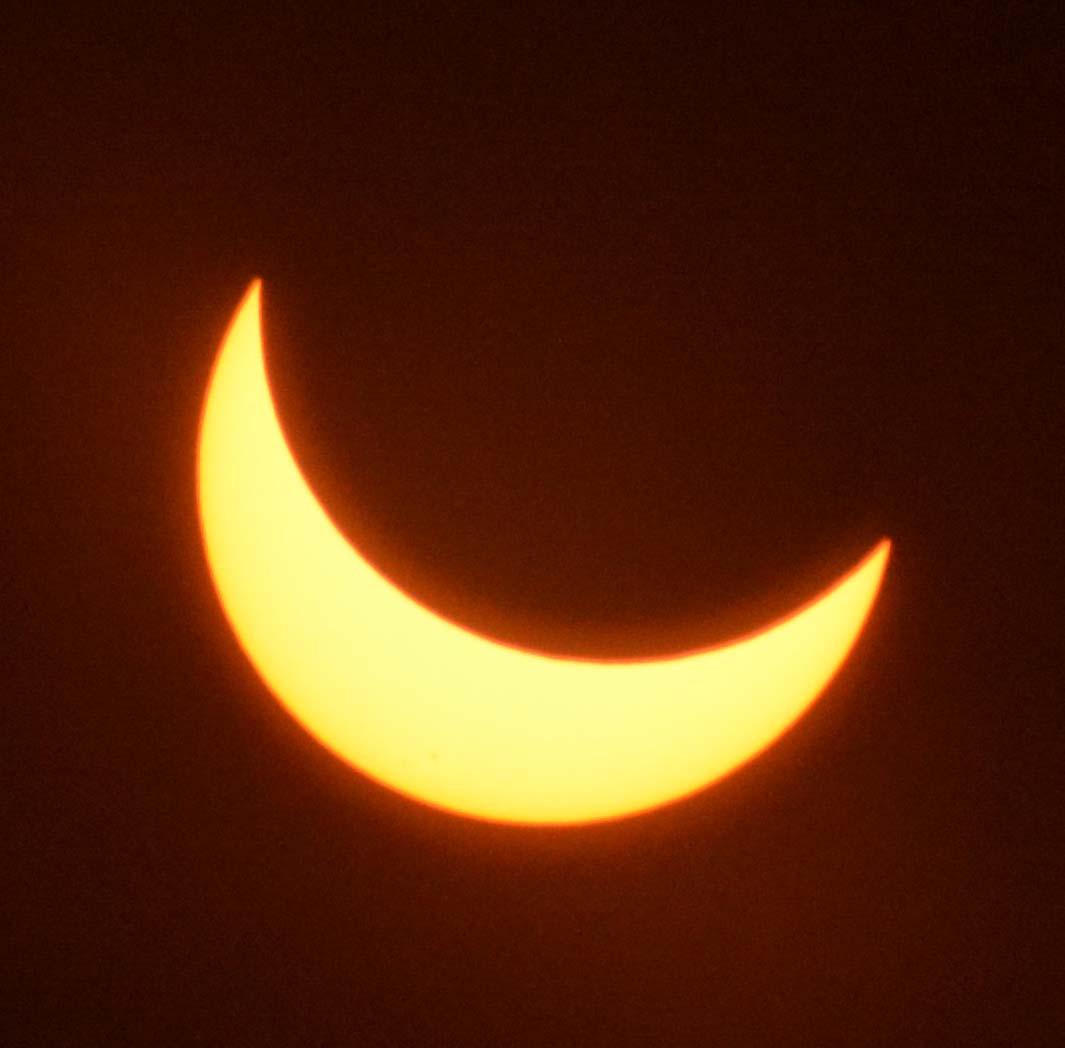
Also on August 12, there will be a total solar eclipse that grazes the North Pole and then moves south over Greenland and Iceland to Spain

A partial lunar eclipse happens August 27th, visible conveniently almost all evening. From 9 to 9:30 pm, 96 percent of the lunar disk is red in the Earth’s umbra while a thin sliver at the upper left side of the disk glows in direct sunlight.