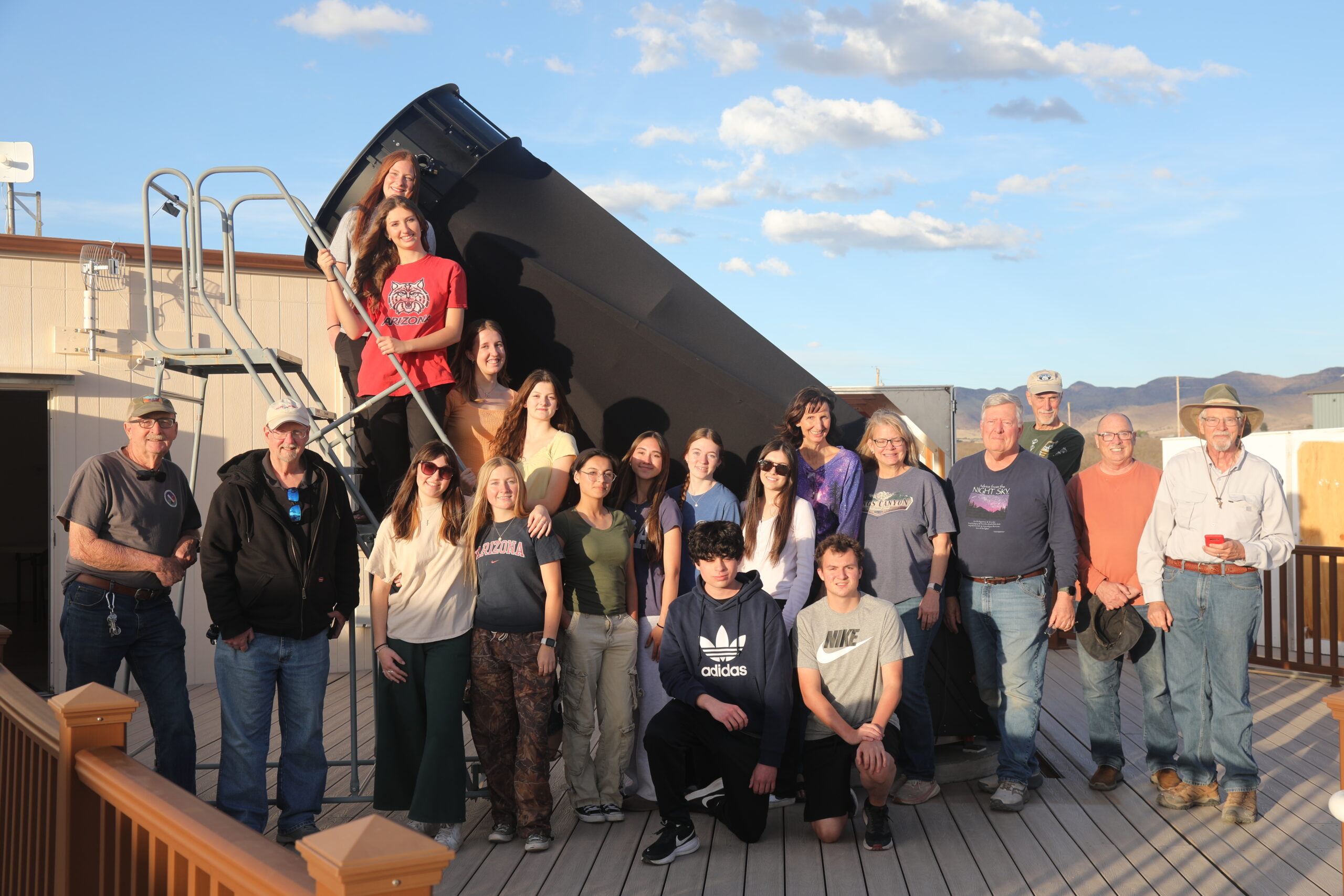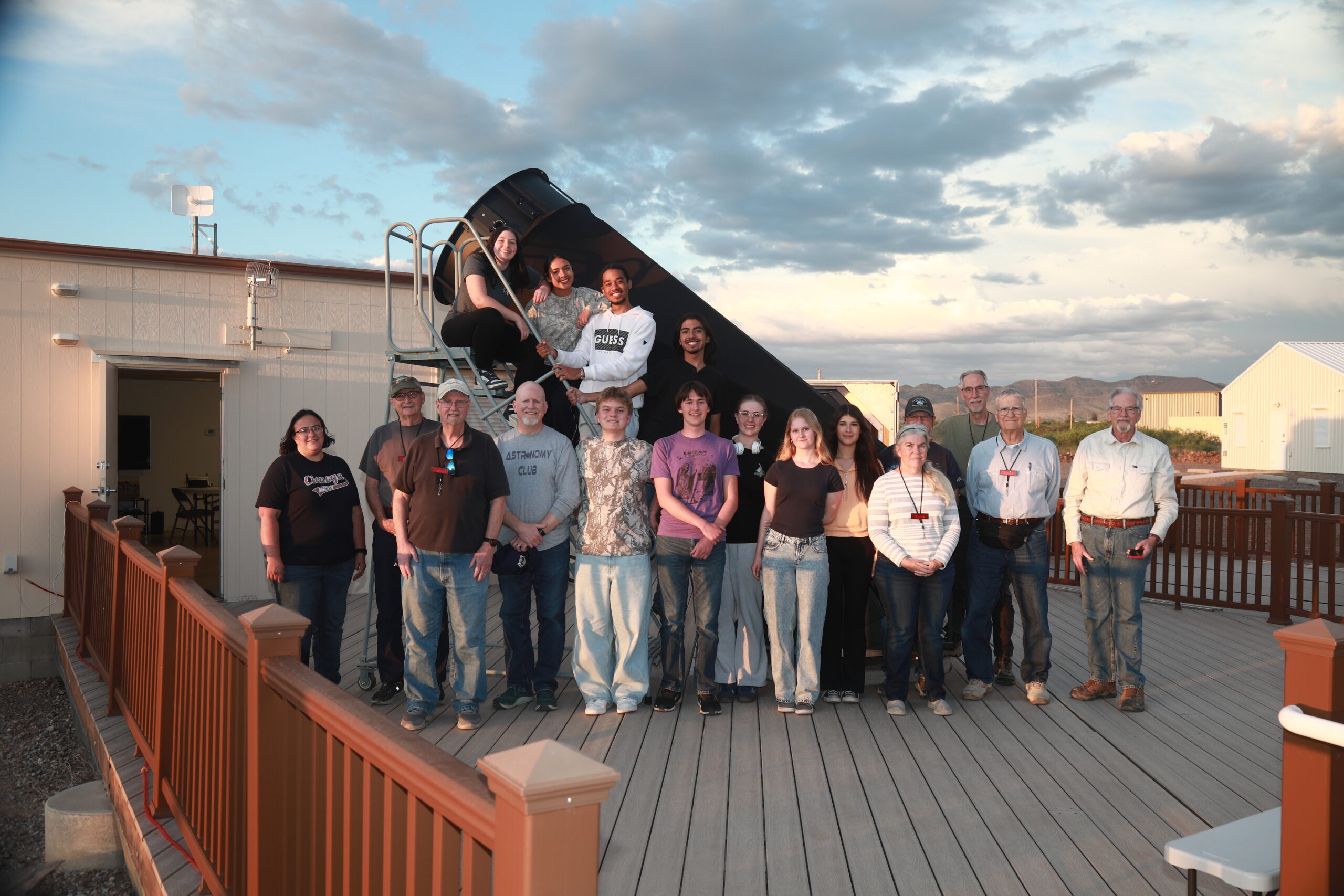
Our organization runs on the dedication of its member volunteers. We seek to give all members a chance to contribute to our mission to serve the membership and our community with a variety of roles. Some roles are straightforward and some more complex, requiring training and mentorship.
CURRENT POSITION OPENINGS – If you are interested in any of these positions, click on the job description to confirm it involves work you would like to do then click here to contact our hiring coordinator to get thinks rolling.
Bulletin Editor – (listed Aug 2026) – Assembles contributions to the monthly Desert Skies Bulletin consolidating imput from the team of editors before releasing each montly edition of articles, stories and TAAA announcements. Job Description
Publicist (listed July 2026) – The Publicist gets the word out about our meetings and special events to TAAA members and the public. Most publishing is done on community calendars, the TAAA website, and our newsletter. A volunteer candidate should have good writing and organizational skills. For a complete job description, look here.
Social Director (listed July 2026) – Help organize events for TAAA members to attend! Position description here.
Asst Webmaster (listed July 2026) – Provides assistance to the Webmaster for routine maintainance and continuting improvements in the TAAA website.
_______________________________________________________________________________________
For more information contact nvrcchair@tucsonastronomy.org
ROLES YOU MAY BE INTERESTED IN FOR THE FUTURE – Help us in our planning. Give TAAA an idea of how you might want to help – update you MemberPlanet profile selections.
Star Party Telescope Operator
Starry Messenger Outreach
Special Events Volunteer