

By Erich Karkoschka

Venus is getting better visible at the end of dusk in the west. By the end of the month it will be at its best of the February-October visibility.

Mercury appears 20 degrees below Venus after the 22nd. By the end of the month it is easily visible.
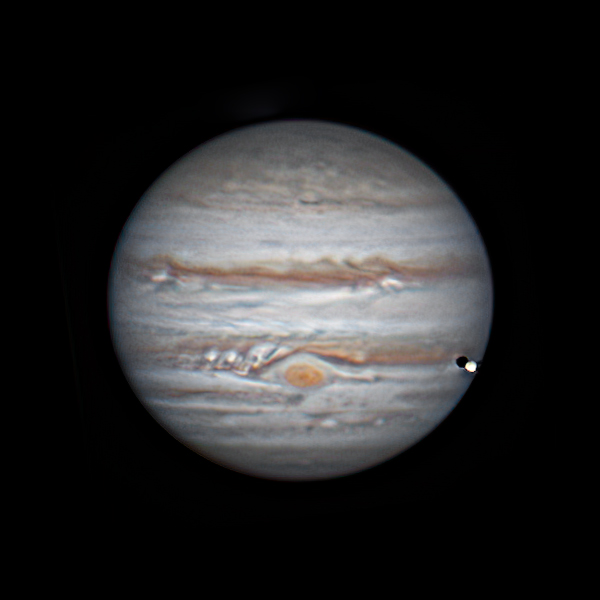
Jupiter appears high in the sky at dusk at first, setting before midnight. By the end of the month it is only 25 degrees high when it becomes visible just after sunset. At that date, Jupiter is still 8 degrees above Venus, while both will be close on June 8. Ganymede’s shadow starts a transit at 10 pm on the 15th, and Ganymede itself transits one week later at the same time, although Jupiter will be low in the sky by that time.
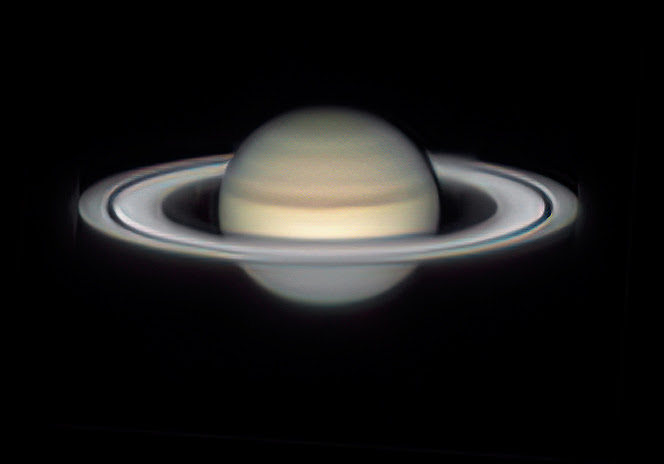
Saturn in Cetus rises at 4 am, later around 3 am. Its rings will display some width after showing up at a narrow line for the last two years.
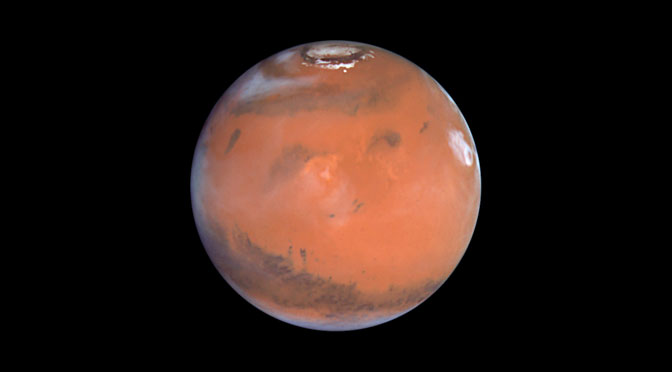
Mars is slowly becoming visible again in the morning sky. During May, it is barely visible during dawn. Mars can be found below the lunar crescent on the 14th.
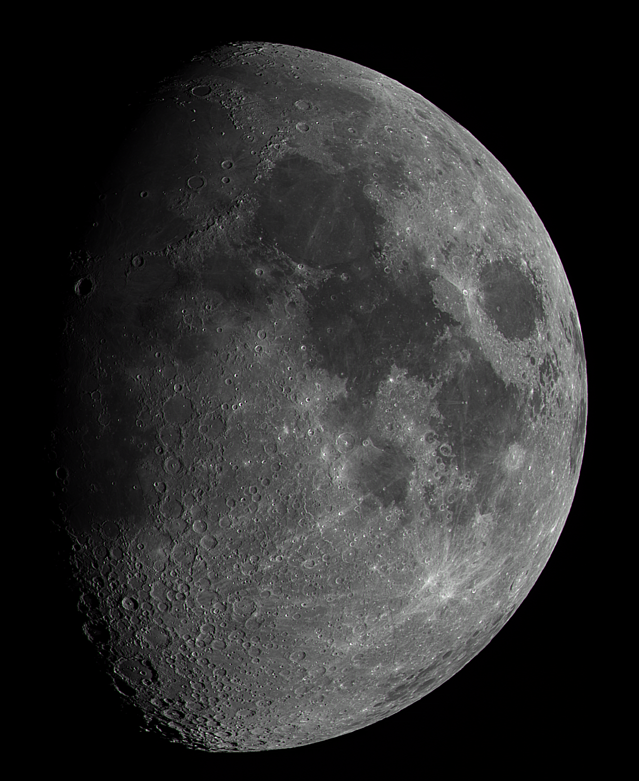
The Moon meets Antares on the 3rd and again on the 30th. The best approach will be on the 18th, when the Moon and Venus will shine brightly within 2 degrees of each other.
May will host a “Blue Moon”. A Blue Moon is when we have a second Full Moon in a single month (Full Moon is May 1 and May 31). An older, alternative definition refers to the third full moon in a season that has four full moons instead of the usual three.