Star Party-Catalina State Park
Tucson, AZ
Viewing Location: Trailhead Picnic area at end of road inside the park.
Information: Great dark skies just north of Tucson at Catalina State Park. Star Party open to the Public. Admission cost for entrance into Catalina State Park. Tucson Amateur Astronomy Association will have 10 telescopes for astronomical viewing. We will observe Planets, Nebulae, Galaxies, Star Clusters and lots more. Great opportunity to look through a wide variety of telescopes. Weather dependent. For real-time updates, follow this event on the Tucson Amateur Astronomy Association Facebook Events Page (https://www.facebook.com/TucsonAstronomy/).
Tucson Mountain Park Ironwood Picnic Area Star Party
Star Party-Tucson Mountain Park Ironwood Picnic Area
Tucson, AZ (West)
Viewing Location: Second Restroom area approximately 3/4 of the way in on Hal Gras Road.
Information: Great dark skies in Western Tucson. Star Party open to the Public. Cost: FREE. Tucson Amateur Astronomy Association will have several telescopes for astronomical viewing. We will observe Planets, Nebulae, Galaxies, Star Clusters and lots more. Great opportunity to look through a variety of telescopes. Weather dependent. For real-time updates, follow this event on the Tucson Amateur Astronomy Association Facebook Events Page (https://www.facebook.com/TucsonAstronomy/).
Tucson Mountain Park Ironwood Picnic Area Star Party
Star Party-Tucson Mountain Park Ironwood Picnic Area
Tucson, AZ (West)
Viewing Location: Second Restroom area approximately 3/4 of the way in on Hal Gras Road.
Information: Great dark skies in Western Tucson. Star Party open to the Public. Cost: FREE. Tucson Amateur Astronomy Association will have several telescopes for astronomical viewing. We will observe Planets, Nebulae, Galaxies, Star Clusters and lots more. Great opportunity to look through a variety of telescopes. Weather dependent. For real-time updates, follow this event on the Tucson Amateur Astronomy Association Facebook Events Page (https://www.facebook.com/TucsonAstronomy/).
Oracle State Park Star Party
Join Tucson Amateur Astronomy Association and Oracle State Park for an evening of dark-sky Stargazing. There will be other events happening as well. Check the Oracle State Park website for additional details.
Spacefest STEAM
Join Tucson Amateur Astronomy Association for some Solar Observing in support of the annual Spacefest Science, Technology, Engineering, Arts, and Math (STEAM) event at JW Marriott starr Pass. The event will go from 9 am to 4 pm but solar observing will only be in the morning. Weather dependent.
Spacefest STEAM
Join Tucson Amateur Astronomy Association for some Solar Observing in support of the annual Spacefest Science, Technology, Engineering, Arts, and Math (STEAM) event at JW Marriott starr Pass. The event will go from 9 am to 4 pm but solar observing will only be in the morning. Weather dependent.
July 13, 2019 @ 7:30 pm – 10:00 pm
Elfrida Library Solar Observing
A morning of observing the Sun at the Elfrida Library in Elfrida, AZ (SE of Tucson in Cochise County). Event will include both Elfrida and Tombstone Libraries.
Elfrida, AZ Library Evening Stargazing
An evening of Stargazing at the Elfrida Library in Elfrida, AZ (SE of Tucson in Cochise County). Event will include both Elfrida and Tombstone Libraries.
Oro Valley Public Library Star Party and Telescope Dedication
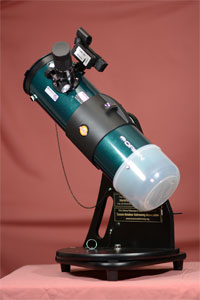
A Dedication Ceremony and Public Star Party supporting Oro Valley Public Library. The Tucson Amateur Astronomy Association will donate a small telescope for the Library to check out to patrons. We will have a short dedication ceremony at 4:30 followed by some daytime Moon Viewing through the new Library Telescope. Come check out the event then check out the telescope!!