June 5 @ 8:00 am – 5:00 pm
TBD


June 5 @ 8:00 am – 5:00 pm
TBD
By Erich Karkoschka

Venus is getting better visible at the end of dusk in the west. By the end of the month it will be at its best of the February-October visibility.

Mercury appears 20 degrees below Venus after the 22nd. By the end of the month it is easily visible.
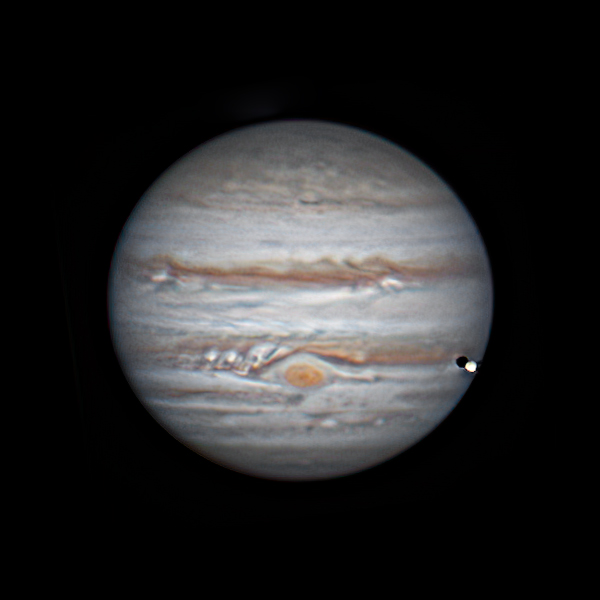
Jupiter appears high in the sky at dusk at first, setting before midnight. By the end of the month it is only 25 degrees high when it becomes visible just after sunset. At that date, Jupiter is still 8 degrees above Venus, while both will be close on June 8. Ganymede’s shadow starts a transit at 10 pm on the 15th, and Ganymede itself transits one week later at the same time, although Jupiter will be low in the sky by that time.
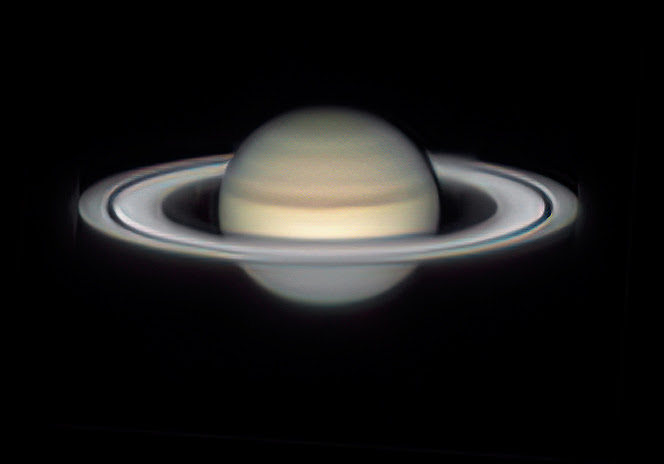
Saturn in Cetus rises at 4 am, later around 3 am. Its rings will display some width after showing up at a narrow line for the last two years.
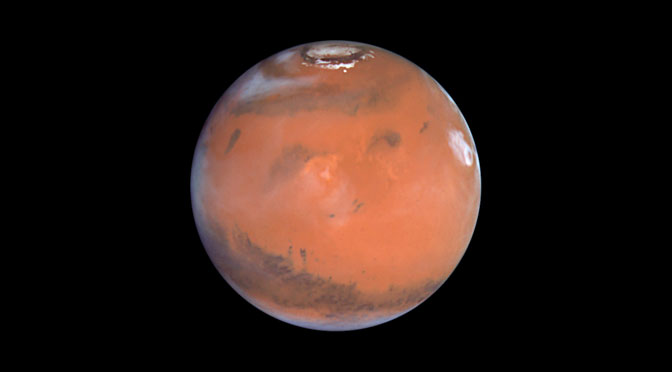
Mars is slowly becoming visible again in the morning sky. During May, it is barely visible during dawn. Mars can be found below the lunar crescent on the 14th.
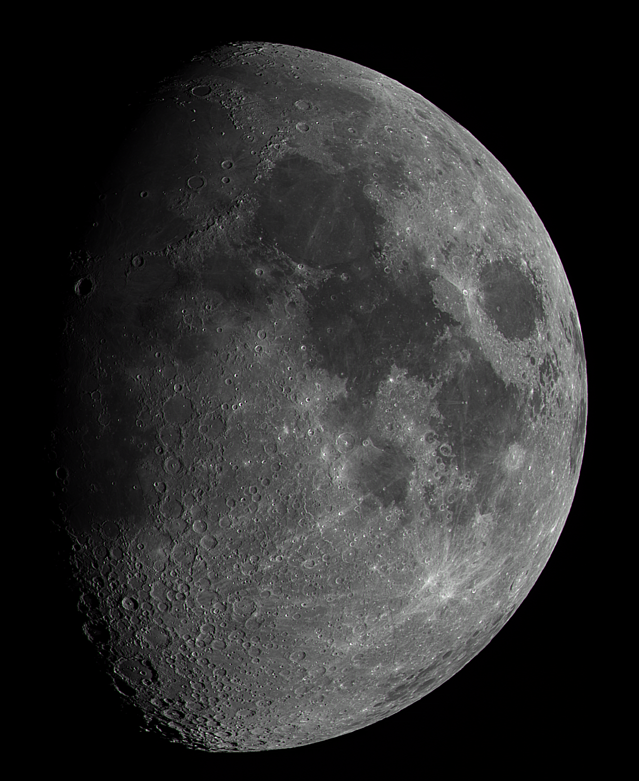
The Moon meets Antares on the 3rd and again on the 30th. The best approach will be on the 18th, when the Moon and Venus will shine brightly within 2 degrees of each other.
May will host a “Blue Moon”. A Blue Moon is when we have a second Full Moon in a single month (Full Moon is May 1 and May 31). An older, alternative definition refers to the third full moon in a season that has four full moons instead of the usual three.
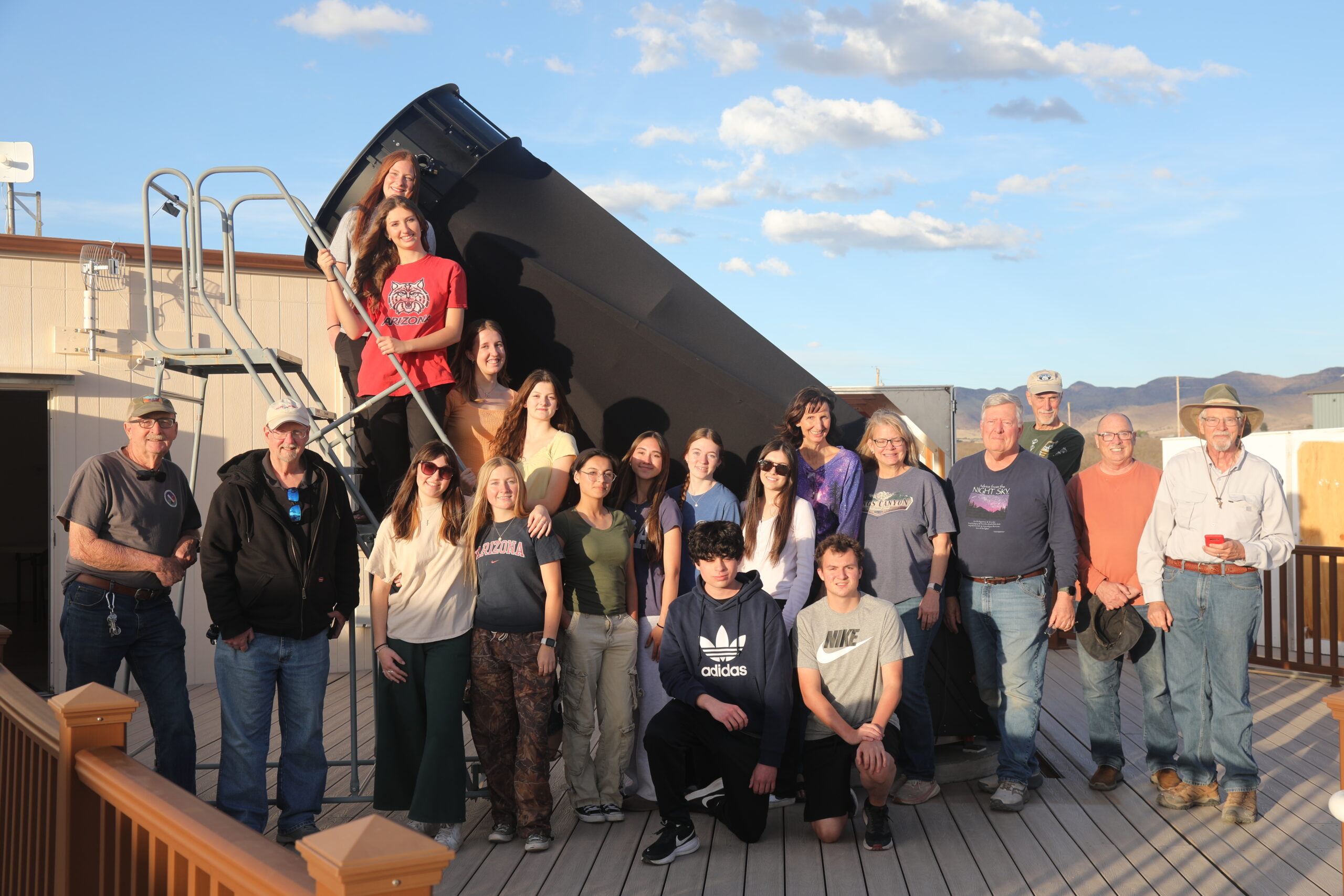
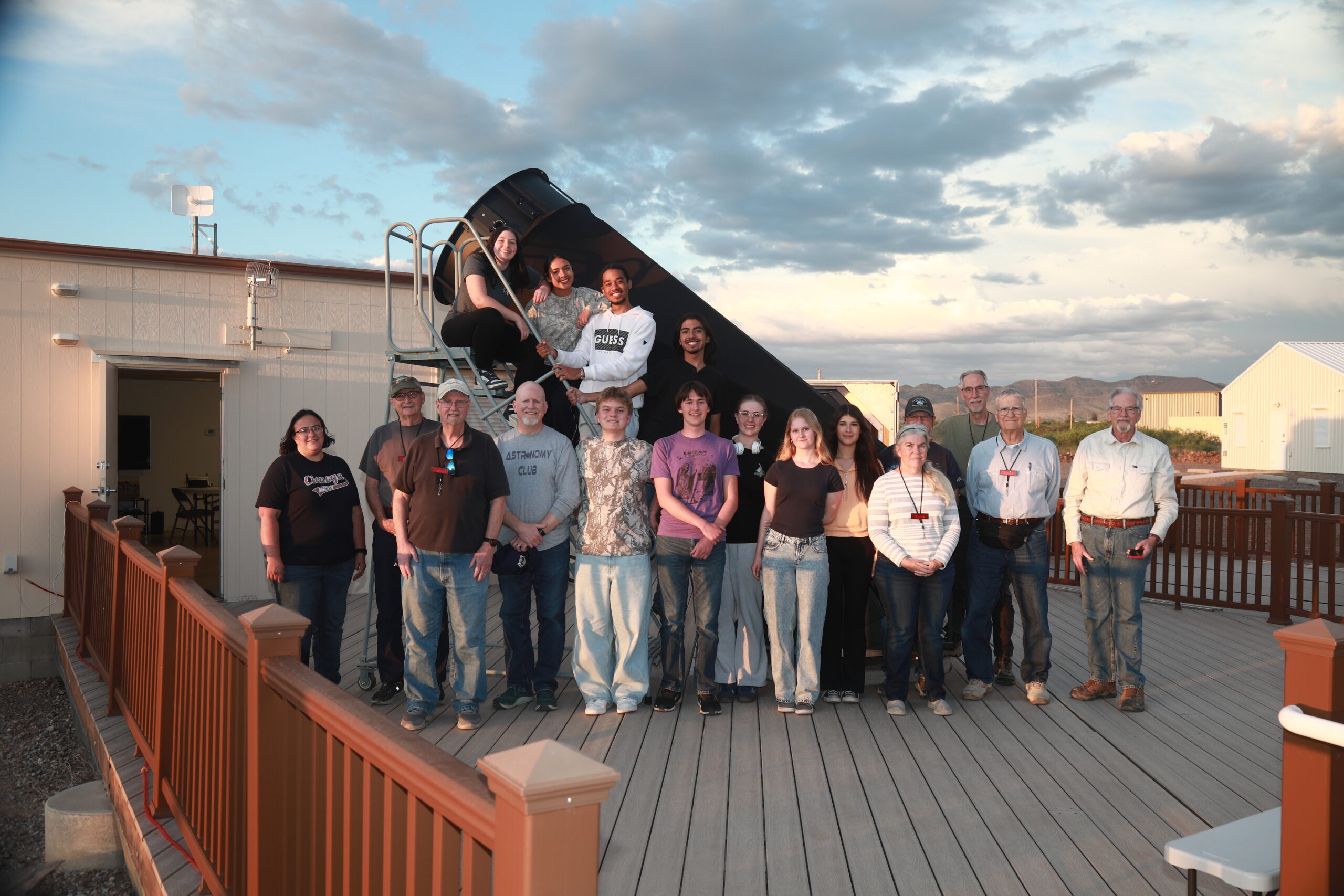
In the first half of 2026 TAAA hosted three Astronomy Camp school groups. This year we were able to incorporated our newest instrument, a 32 inch DFM research grade telescope into the program. It provides excellent visual observing of certain types of objects like planets, planetary nebula and galaxies.

May 22 @ 8:00 pm – 10:00 pm
Star Party – Saguaro National Park – East Side
Now at their Desert Learning Center
12661 E Broadway Blvd, Tucson, AZ 85730
Map Coordinates: 32.22239965337127, -110.72231843802784
Drive to the end of Broadway Blvd, parking is limited along roadside. Guides will give directions, short walk to site.
Great dark skies on the East side of Tucson at Saguaro National Park – East Side’s Desert Learning Center. Please do not go to the National Park entrance, it will be closed due to construction.
Star Party is open to the Public. Event is free but NPS admission fees apply.
The Tucson Amateur Astronomy Association will have several telescopes for astronomical viewing. We will observe Planets, Nebulae, Galaxies, Star Clusters and lots more.
Great opportunity to look through a variety of telescopes.
Weather dependent. For real-time updates, follow this event on the Tucson Amateur Astronomy Association Facebook Events Page: Tucson Amateur Astronomy Association | Facebook
612-396-8839
astronomy-events@tucsonastronomy.org
May 16 @ 8:00 pm – 10:00 pm
Viewing Location: Kannally Ranch House
Information: Great dark skies just north of Tucson at Oracle State Park.
3820 E Wildlife Dr., Oracle, AZ 85623
Star Party open to the Public. Admission fees for entrance into Oracle State Park apply.
Tucson Amateur Astronomy Association will have several telescopes for astronomical viewing. We will be observing the Moon + Planets, Nebulae, Galaxies, and Star Clusters.
Great opportunity to look through a wide variety of telescopes. Weather dependent.
For real-time updates, follow this event on the Tucson Amateur Astronomy Association Facebook event page: TAAA Facebook Events page
Also: Check the Oracle State Park website for additional information and activities that day:
Star Party at Oracle State Park | Oracle State Park (azstateparks.com)
612-396-8839
astronomy-events@tucsonastronomy.org
May 9 @ 8:00 pm – 10:00 pm
Star Party @ Tucson Mountain Park – Juan Santa Cruz Picnic Area
Tucson, AZ (right next to Sonoran Desert Museum)
Viewing Location: Small side loop on East side of main loop.
Information: Great dark skies in Western Tucson. Star Party open to the Public. Cost: FREE.
Tucson Amateur Astronomy Association will have several telescopes for astronomical viewing. We will observe Planets, Nebulae, Galaxies, Star Clusters and lots more. Great opportunity to look through a variety of telescopes. Weather dependent.
For real-time updates, follow this event on the Tucson Amateur Astronomy Association Facebook Events Page: TAAA Facebook Events page
Event is FREE but REGISTRATION IS REQUIRED. Go to this link to register: https://www.explore.pima.gov/pima/programs and click on the “Environmental Education” square to select. Once open, type in “stargazing” for the keyword and then scroll down for the event.
These events may fill up early.
612-396-8839
astronomy-events@tucsonastronomy.org
By Erich Karkoschka
Venus is getting better visible at the end of dusk low in the west. By the end of the month, it will have reached Aldebaran in Taurus.
Jupiter transits around sunset 81 degrees high. It moves slowly toward Pollux. Venus is still far away but fast approaching Jupiter.
Mercury is visible until mid-month low at dawn around 5:30 am.

Uranus remains 4 degrees south of the Pleiades, but gets visible only quite low in the sky. The last good possibility of viewing it is on the 23rd when it is visible in binoculars just 0.8 degrees south of Venus.
The moon will be in the evening sky again on the 18th, in the vicinity of Venus. Two days later it can be seen almost overhead (86 degrees high) at 3:30 pm.
On April 20th, there is a rare event that three planets are within a 3 degree circle: Mercury, Mars, and Venus. They are visible from more southern latitudes by naked eye. In Tucson, one will need binoculars to find them around 5:30 am about 5 degrees above the eastern horizon. They will be almost in a straight line.

Around April 22, the Lyrics Meteors are visible after 10 pm.
May 1 @ 6:30 pm – 8:00 pm
In 1801, Ceres became the first asteroid ‘discovered.’ (it was since reclassified as a dwarf planet.) Since then, astronomers have used widely differing approaches to learn about the nature of asteroids. Nearly all of them are point sources that show no details through the largest telescopes. And so, several clever methods to determine their properties have evolved. These include photometry, radar imaging, and stellar occultations. Tom Polakis’ presentation will range from the history of asteroid discoveries to the latest science about them and what future projects are planned. He will show samples of his techniques to study and photograph asteroids
Tom Polakis has been an active amateur astronomer for 48 years, during which has seen Saturn circle the sun 1 1/2 times. He is a member of Saguaro Astronomy Club and East Valley Astronomy Club in Metro Phoenix. A graduate of Michigan State University, and a retired mechanical engineer, Tom’s main interests involve visual observing of all astronomical phenomena, and imaging them with equipment ranging from a phone to a backyard observatory. He has a special interest in describing the universe as an ever-changing entity. His writing and photography have regularly appeared in magazines such as Astronomy and Sky & Telescope. More recently, he has been an author or co-author for refereed astronomical publications.
April 11 @ 7:00 pm – 9:30 pm
FREE FAMILY-FRIENDLY PUBLIC EVENT. Come see the TAAA Chiricahua Astronomy Complex (CAC) and observe through some huge telescopes taking in the wonders of the Universe. The site will open at 7 pm with observing from 7:30-9:30 pm. Reservations Required. Email euts[at]tucsonastronomy.org with number people, number vehicles, and email contact information. Additional Information: Evening Under the Stars