

By Erich Karkoschka

Mars is the evening planet, getting lower in the west at the end of twilight. In September it becomes difficult to see.
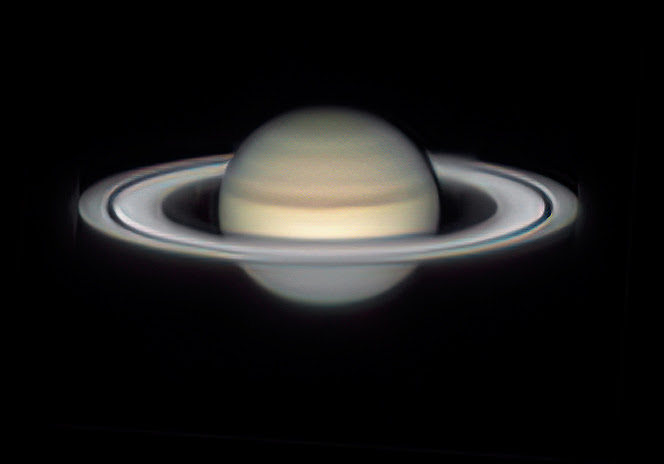
Saturn rises at midnight at the beginning of July, but already at sunset by its opposition on September 20. Its rings are very faint since their southern side only started to get illuminated in May. They are visible as a line extending on both sides of the planet.

Venus rises around 3 am. It is 20 degrees high in the east by the time dawn starts.
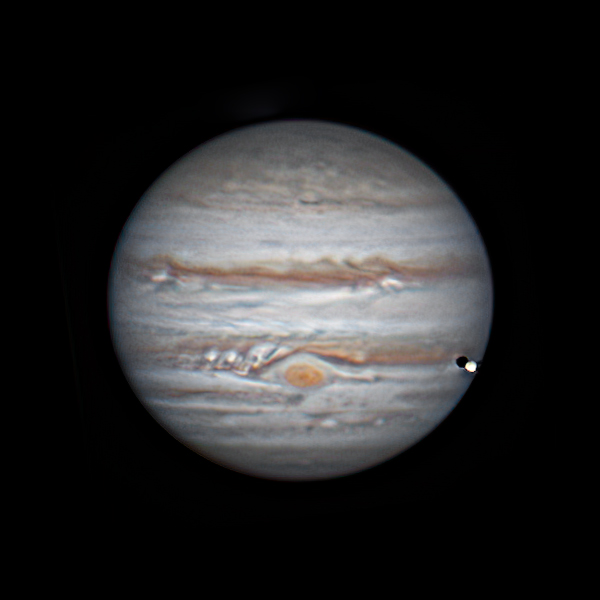
Jupiter rises shortly before the sun at the beginning of July, but already around 1 am by late September. Venus and Jupiter are only 1 degree apart from each other on August 12, a beautiful sight.

Mercury is well visible during dawn in the second half of August, about 15 degrees below Venus.

Uranus is visible in the morning sky.
Neptune is only 1 degree south of Saturn all July and August, increasing to 2 degrees by late September, a rare chance to see both planets in the same telescopic field. Once they separate next year, it will take until 2061 before they get together again. That conjunction will not be visible because the sun will be too close. So the next chance will be in 2097.
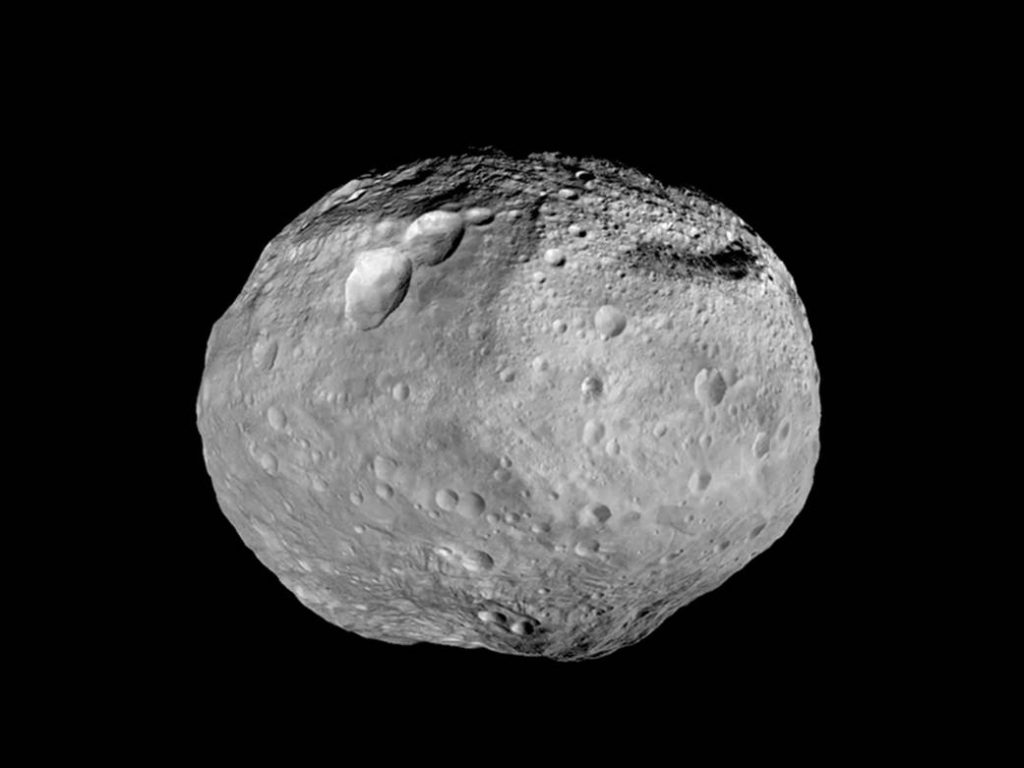
Minor planet (4) Vesta is still relatively bright at magnitude 7.
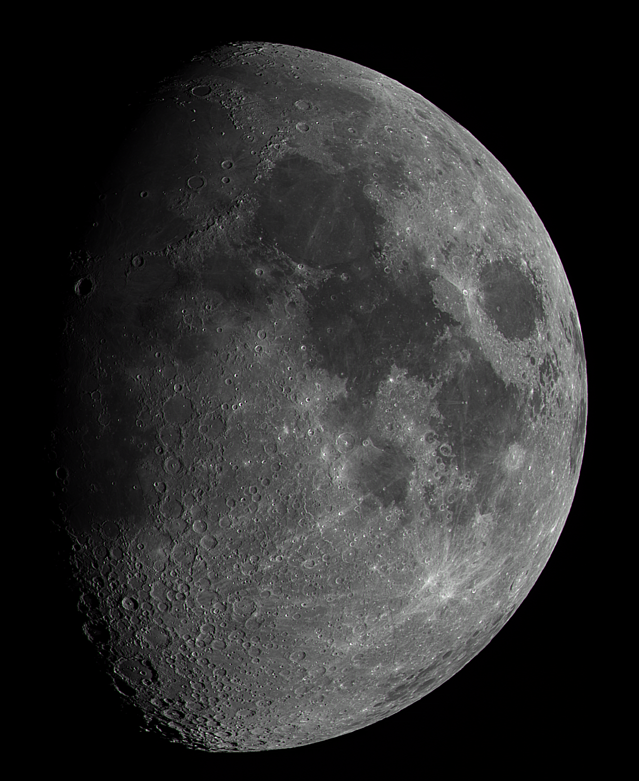
The moon is close to Venus on the morning of August 20, when Jupiter is also nearby. The three brightest objects in the sky fit within a 10 degree field.

The Perseid meteor shower is active from late July to late August with a maximum on August 12. While it gets dark around 8 pm, the moon rises at 9:15 pm, leaving little time of dark sky.